Beyond Components: Why The Industry Is Moving Toward Tested Opening Assemblies
For decades, the commercial openings industry has evaluated products largely through the lens of individual components. Doors, frames, hardware, glazing, and locking systems were tested and certified independently, allowing architects, distributors, and building owners to assemble solutions from multiple sources while maintaining confidence in code compliance and performance.
That approach has served the industry well.
However, as performance requirements become increasingly complex—and as security concerns continue to evolve—the industry is recognizing an important reality:
A building opening does not perform as a collection of individual components. It performs as a system.
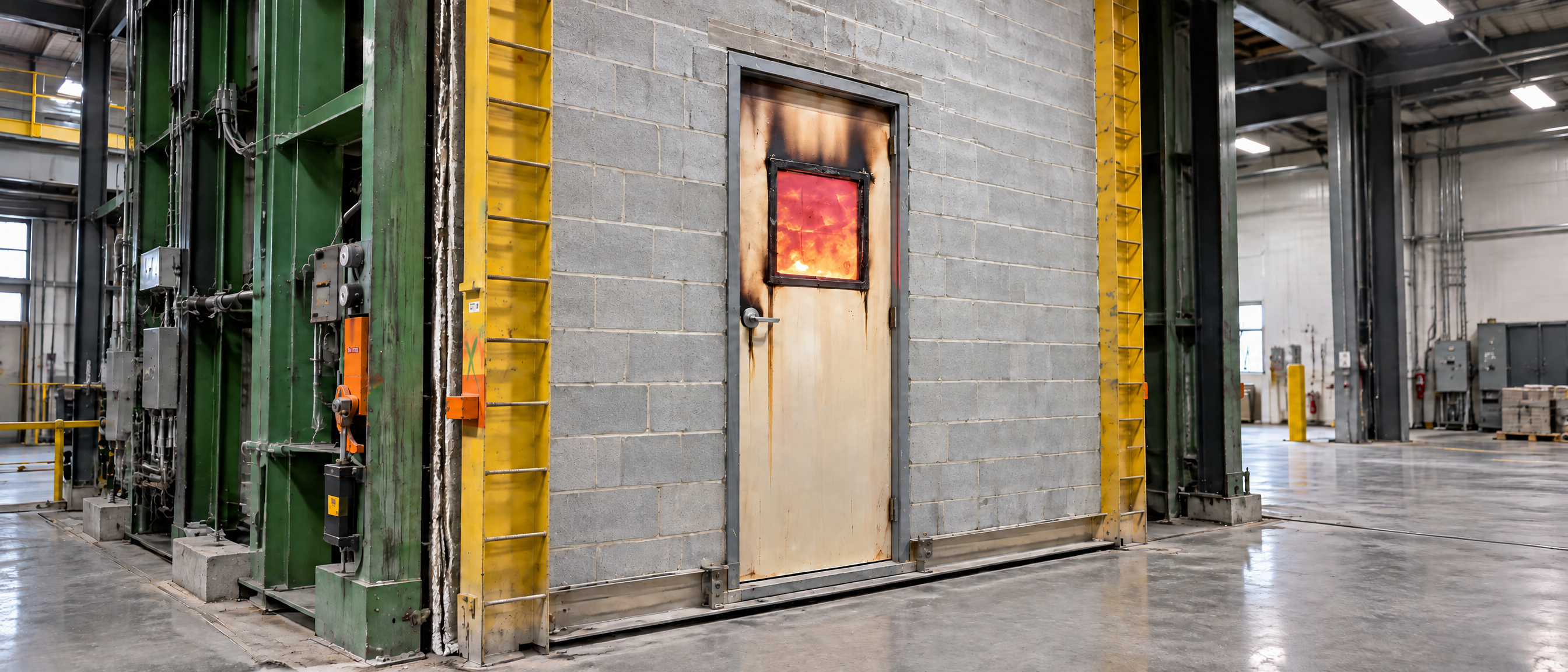
This shift in thinking is driving growing interest in assembly-level testing and certification, particularly in applications where life safety, security, and risk mitigation are critical. From fire protection and hurricane resistance to school security and forced-entry protection, performance expectations are increasingly centered on how complete opening assemblies function under real-world conditions.
The evolution toward certified opening assemblies is not a rejection of component testing. Rather, it represents the next step in the industry's ongoing effort to deliver greater confidence, consistency, and accountability.

Why Security Is Accelerating the Conversation
Few issues have influenced opening design more significantly in recent years than school security.
As incidents involving violence in educational facilities have increased, schools, architects, and security professionals have reevaluated long-standing assumptions about how buildings protect occupants during emergencies.
Historically, security strategies focused heavily on perimeter protection. The goal was preventing unauthorized individuals from entering the building.
Today's threat landscape is different.
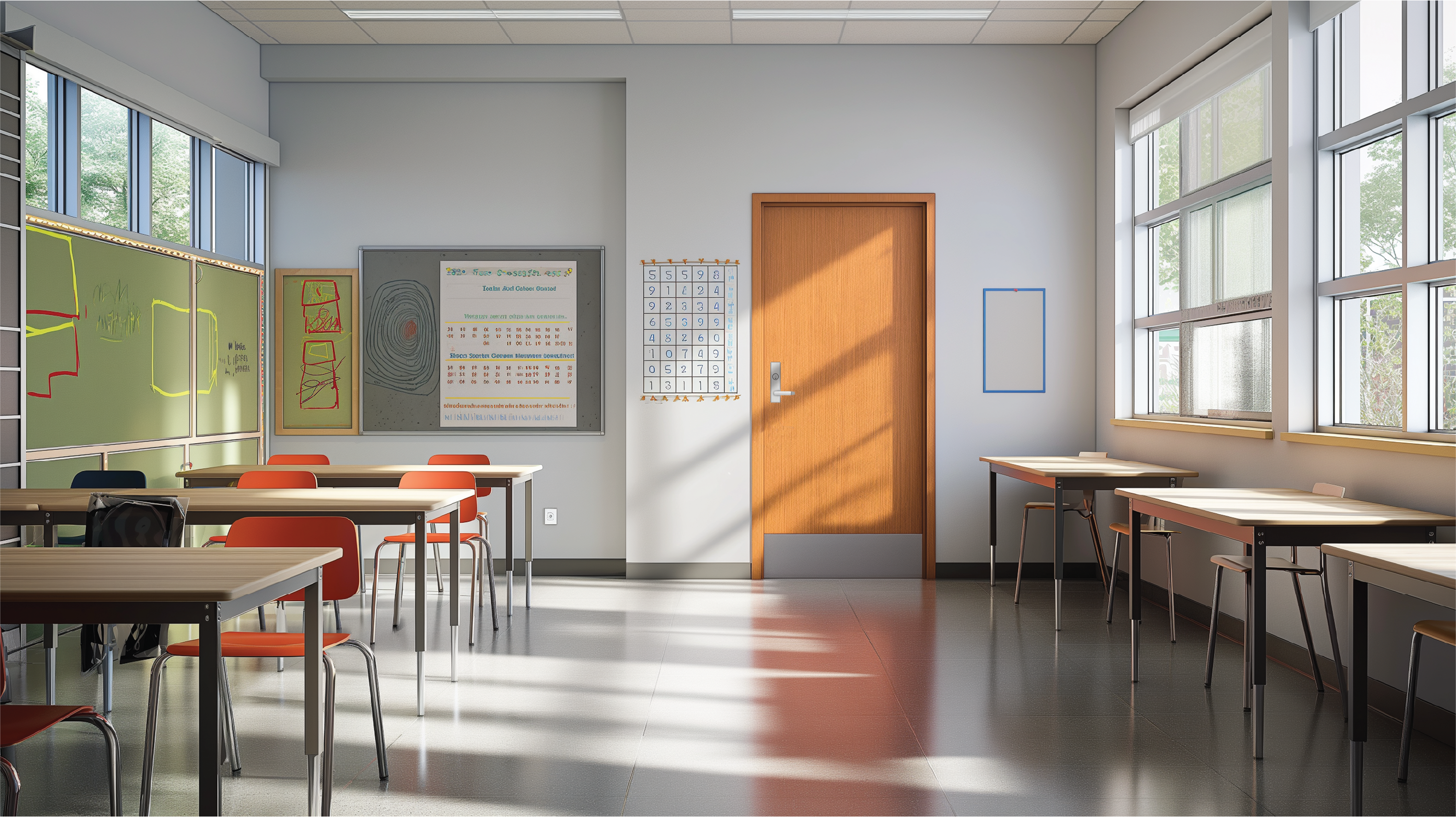
Many incidents involve individuals who already have legitimate access to the facility. In these situations, the focus shifts from perimeter control to interior survivability. The classroom door becomes more than a building component—it becomes a critical protective barrier.
This change has fundamentally altered how the industry evaluates opening performance.
Questions are no longer limited to whether a piece of glazing can resist impact or whether a lock meets a particular standard. Stakeholders increasingly want to know how the entire opening assembly performs when subjected to realistic attack conditions.
The answer cannot be determined by evaluating individual components alone.
Not All Openings Perform the Same
Two classroom doors may appear virtually identical to an observer.
Both may use similar materials. Both may satisfy applicable building codes. Both may contain comparable glazing and hardware.
Yet under forced-entry conditions, those openings may perform very differently.
Performance is influenced by numerous factors, including:
Door construction and core design
Frame design and anchorage
Hardware reinforcement
Glazing systems
Fasteners and attachment methods
Installation quality
Interactions between components
In many cases, vulnerabilities emerge not from the primary component being evaluated, but from adjacent elements within the assembly.
A highly resistant glazing system may not compensate for inadequate frame reinforcement. Likewise, a reinforced door may not achieve intended performance if hardware attachment points become the failure mechanism.
These realities have led many industry professionals to conclude that opening performance can only be fully understood by evaluating the complete system.
The Evolution of Active Shooter Testing
As concerns surrounding school security intensified, the industry began developing more realistic methods for evaluating opening performance.
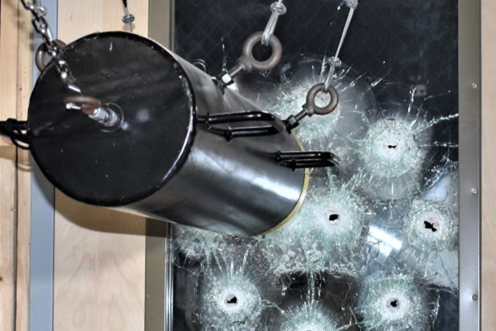
Earlier testing approaches often examined ballistic resistance, burglary resistance, or manual attack independently. While valuable, these methods did not fully represent the sequence of events associated with many active shooter scenarios.
The development of FTD-SA marked an important advancement by combining ballistic attack with subsequent forced-entry testing. Rather than focusing solely on whether glazing could stop a projectile, the methodology evaluated how the opening performed after sustaining damage.
This represented a significant shift toward systems-based evaluation.
For the first time, testing focused not only on individual components but also on the opening's ability to maintain integrity under a realistic sequence of attacks.
The industry's continued pursuit of consistency and broader adoption eventually led to ASTM F3561, which formalized many of these concepts through a consensus-based standard.

ASTM F3561 and the Shift Toward Assembly Performance
The introduction of ASTM F3561 represents more than the arrival of another testing method.
It reflects an industry-wide recognition that security performance must be evaluated at the assembly level.
Unlike proprietary testing programs, ASTM standards are developed through collaboration among manufacturers, architects, testing laboratories, security experts, code officials, and other stakeholders. This consensus process creates a common framework that can be broadly referenced across specifications, projects, and jurisdictions.
More importantly, ASTM F3561 evaluates the performance of complete opening assemblies under combined ballistic and forced-entry conditions.
This approach aligns with a growing industry understanding that openings succeed—or fail—as systems.
The standard provides a common language for discussing attack-resistant performance while helping architects and building owners compare solutions using consistent evaluation criteria.
Why Architects Are Increasingly Interested in Tested Assemblies
For architects and specifiers, assembly-level certification offers several practical advantages.
1. Greater Confidence in Performance
Design teams are increasingly responsible for validating that security-related design decisions align with owner expectations and project requirements.
Certified assemblies provide confidence that all components have been evaluated together rather than relying on assumptions about compatibility.
2. Simpler Specifications
Performance-based specifications are becoming more common throughout the industry..
When assemblies are tested and certified as complete systems, architects can focus on desired outcomes rather than attempting to coordinate performance requirements across multiple independent components.
3. Reduced Substitution Risk
Substitutions can introduce uncertainty when replacement products have not been evaluated within the same tested configuration.
Assembly certification helps preserve design intent by establishing a validated system rather than a collection of individually compliant products.
4. Better Defensibility
As accountability surrounding school security and life-safety decisions continues to grow, standardized testing provides a more objective foundation for specification decisions.
Rather than relying on marketing claims or interpretations of component-level testing, architects can reference documented system performance.
5. Reduced Compatibility Concerns
Tested assemblies help eliminate uncertainty about whether components have been evaluated together.
This can reduce project risk and simplify coordination among manufacturers, installers, and project stakeholders.
6. Fewer Field Problems
Many project challenges emerge when individually compliant components are combined in configurations that have never been tested together.
Assembly certification helps reduce these unknowns by validating performance before products reach the jobsite.
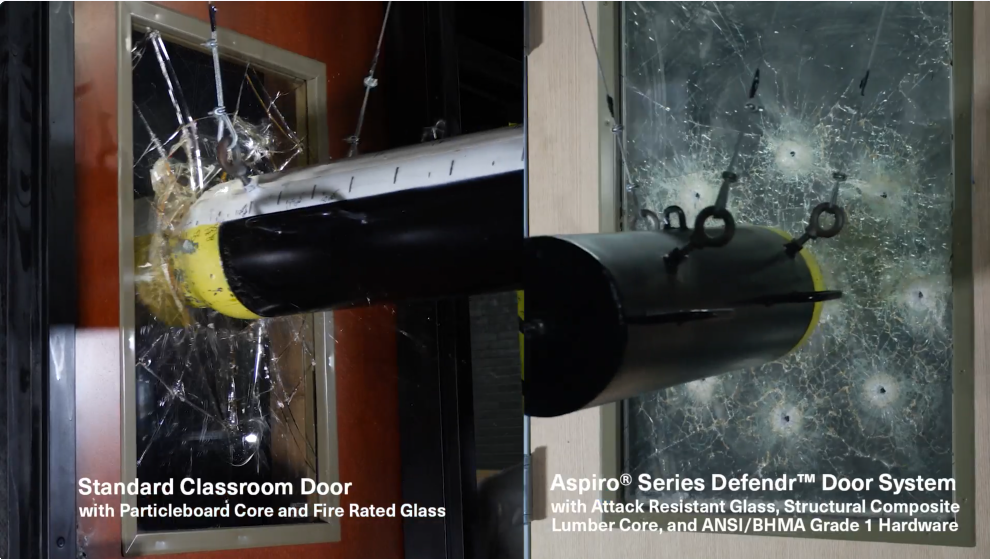
From Components to Systems
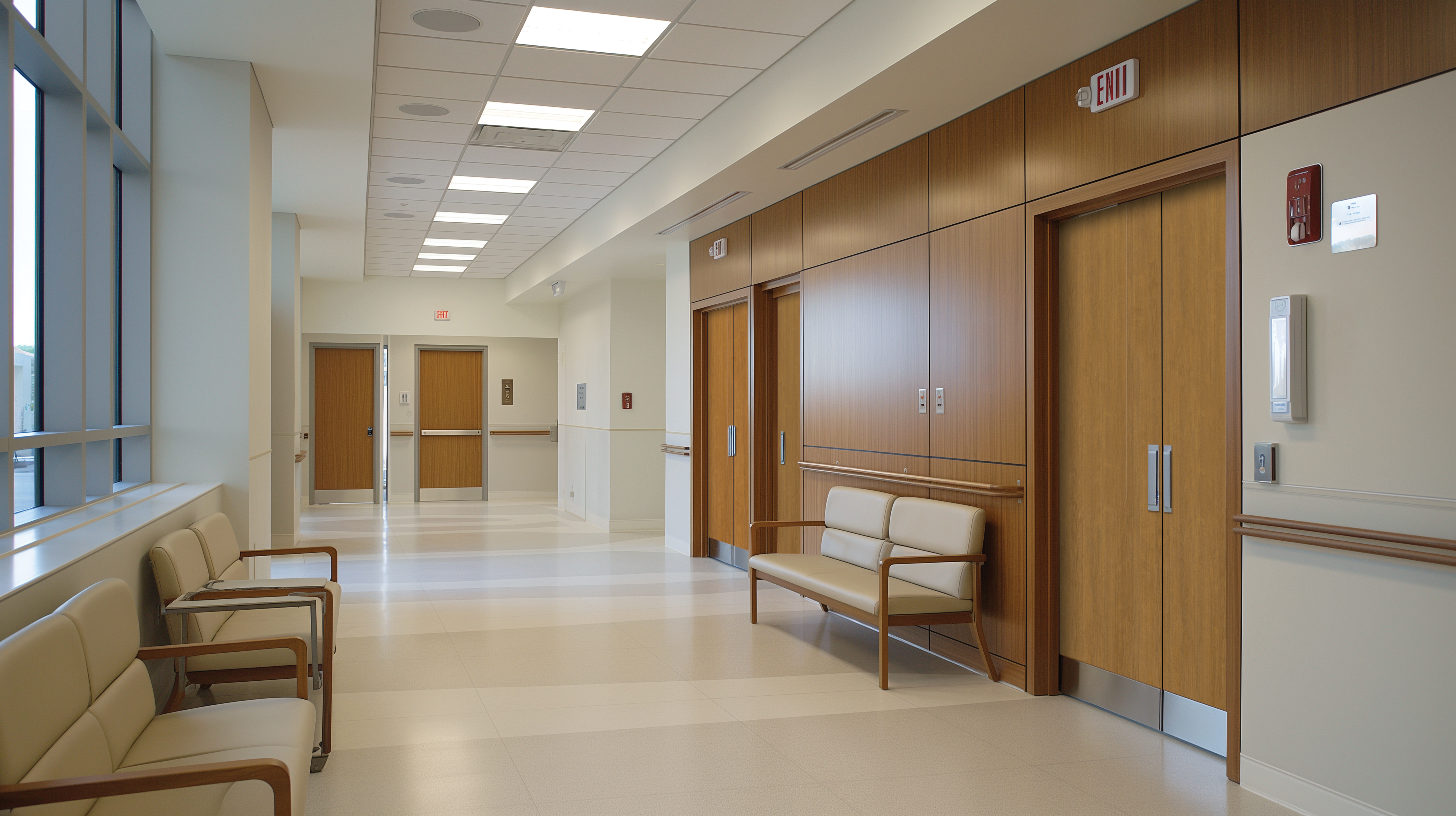
Consider two opening solutions designed for the same classroom application.
The first consists of individually tested components sourced from multiple manufacturers. Each component satisfies its own performance requirements, but the complete assembly has never been evaluated as a unified system.
The second consists of a tested and certified opening assembly in which the door, frame, hardware, glazing, and anchorage have been evaluated together under realistic attack conditions.
Both solutions may appear comparable on paper.
However, only one provides verified evidence of how the complete opening performs when subjected to real-world conditions.
That distinction is becoming increasingly important as security requirements become more sophisticated and accountability continues to increase.
The Future of Opening Performance
The commercial openings industry has followed this pattern before.
Fire-rated assemblies, impact-resistant systems, accessibility requirements, and energy-performance standards all evolved from voluntary best practices to broadly accepted industry expectations.
Security performance appears to be following a similar path.
As standards mature, specifications become more performance-based, and owners demand greater accountability, the focus will continue shifting toward validated opening assemblies rather than isolated component claims.
The industry's direction is becoming increasingly clear:
Openings will be evaluated as complete systems.
Performance claims will become more standardized and verifiable.
Assembly-level testing will play a larger role in specification decisions.
Certified assemblies will become increasingly important in high-performance applications.
Ultimately, the movement toward certified opening assemblies is about more than testing.
It is about providing architects, distributors, owners, and occupants with greater confidence that the opening will perform as intended when performance matters most.
In an industry increasingly focused on safety, resilience, and accountability, that evolution is both logical and necessary.
Want to learn more? Explore available resources on attack-resistant opening assemblies, ASTM F3561 testing, specification guidance, and distributor education tools to better understand how system-level performance is shaping the future of school security.
Need help selecting the right product?
MoreBlogs