
Wood Veneer Resource Center
Specify wood veneer doors with clarity and confidence.
Explore species, face grades, cuts, matching, finishes, and sample guidance to help translate design intent into coordinated door specifications.
Whatareyouworkingon?
Understand species selection, veneer face grades, and natural color variation.


UnderstandingWoodVariations

Color Variations
Color and grain variations are a natural and expected characteristic of wood. Soil content, weather, and other environmental factors play a role in wood’s appearance and color, even among the same species.
Talk to your rep if you have specific requirements for color consistency.
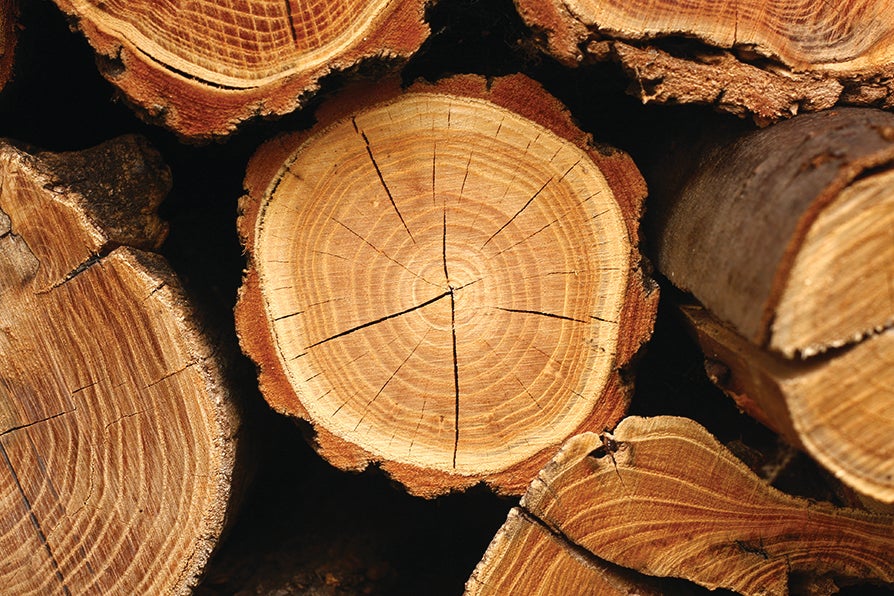
Structural Differences
Natural veneer may feature a light and dark pattern due to heartwood and sapwood. Heartwood is much harder, more dense and typically darker than sapwood, which is usually lighter in color. These two absorb stain differently which may accentuate their differences.
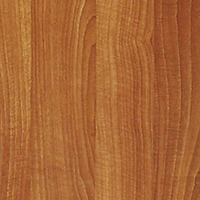
Distinctive Characteristics
Wood veneer’s natural origin is what makes it so unique, desirable, and also challenging to specify. Different species and individual trees exhibit distinctive characteristics. Mineral streaks, worm tracks, and figure, to name a few, are acceptable at some level according to WDMA. These naturally occurring variations provide richness and variety to each project design.
VariationsinAuthenticWoodVeneers
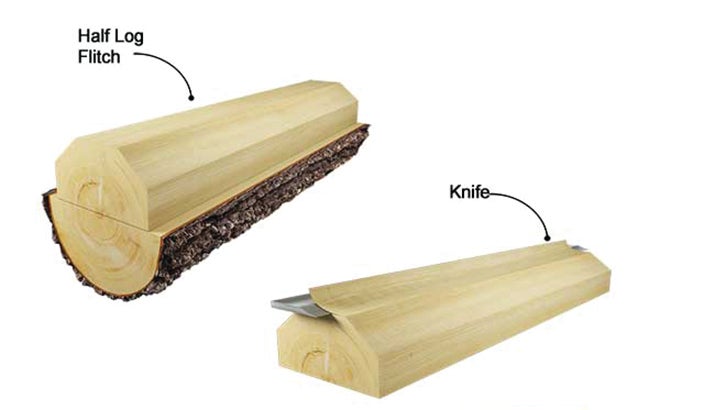
Plain Sliced
A preferred cut for architectural doors for its straight grain patterns and greater consistency overall. (Also called flat cut.)
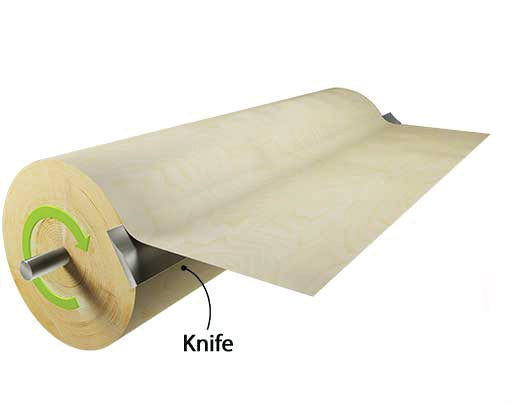
Rotary Cut
Creates wide sheets in a wide variety of patterns. The grain pattern is naturally inconsistent, making leaves more difficult to match.
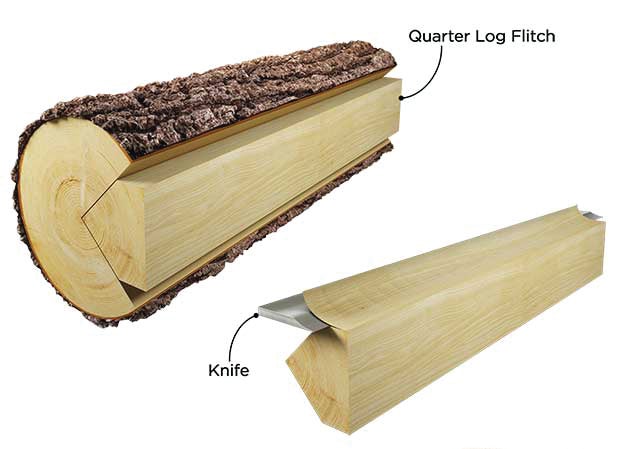
Quarter Cut
Features a narrow striped pattern with a tight vertical grain and no arches or cathedral patterns. This cut may include rough patches (or “flake”) which is a natural characteristic and not a defect.
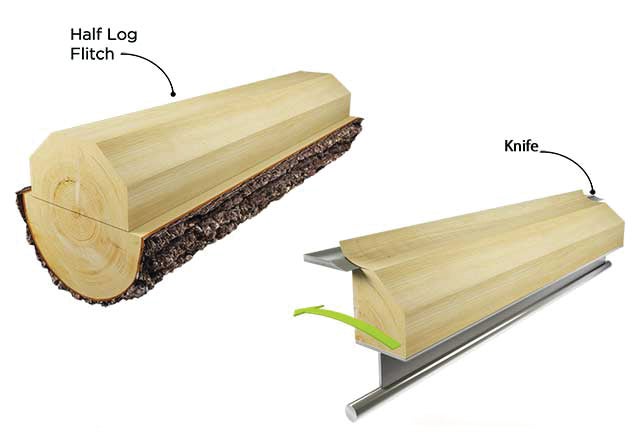
Rift Cut
Available only in Oak species, rift cut veneers feature a narrow striped pattern similar to quarter cut, with less of the “flake” effect.
Careful selection of species, cut, and finishing, combined with close collaboration with your supplier, can significantly reduce color variation. For more information, contact your representative.