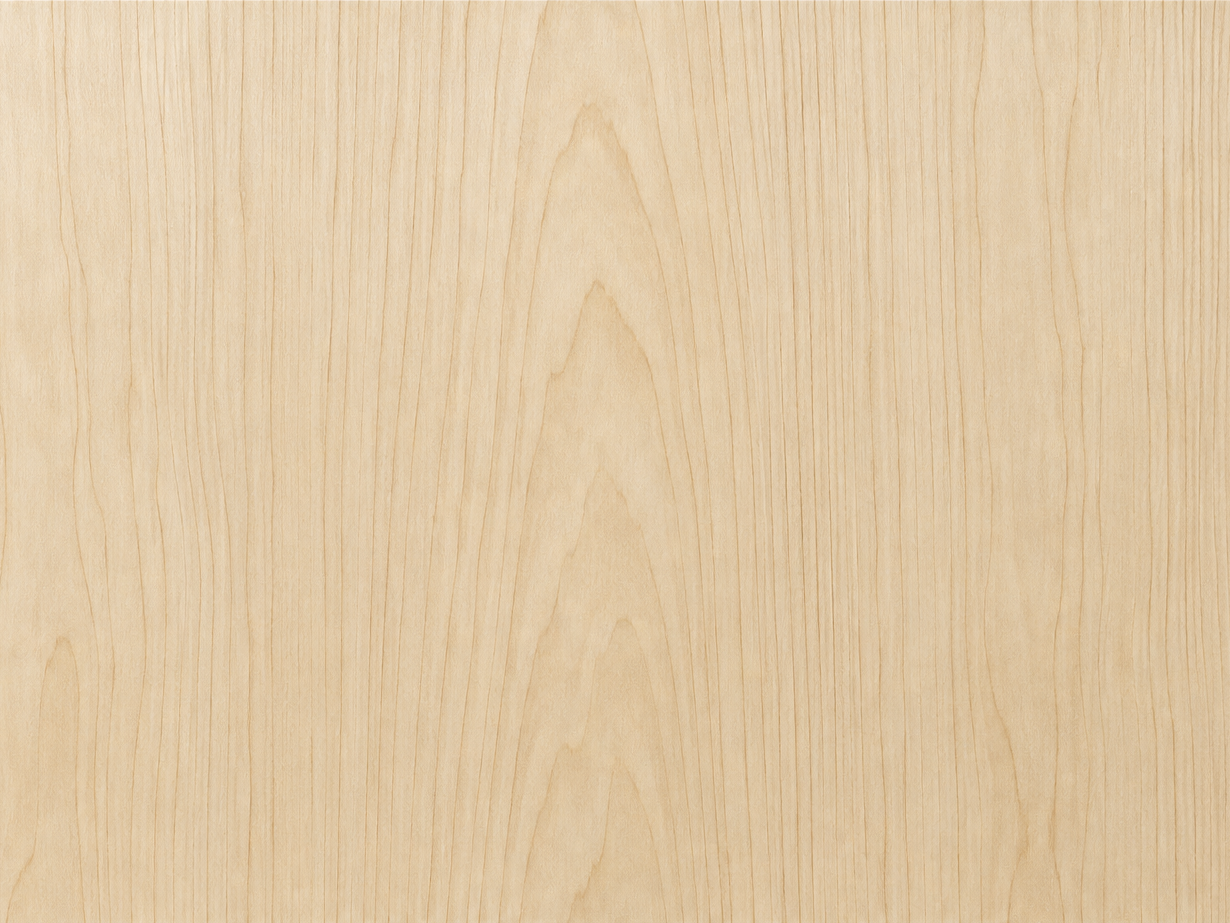
Plain Sliced (Default)
Default standard for contemporary and transitional interiors. Combines gentle cathedral arches with straighter grain in a light, refined character.
Wood Veneer | Species Overview
White birch offers a lighter, more consistent wood appearance with a fine texture and gentle cathedral grain — specified where a calm, restrained wood palette is the design intent.
White birch is selected from sapwood only, providing a lighter, more consistent appearance than natural birch. It offers a fine, smooth texture and a generally linear grain that supports calm contemporary, modern, and transitional interiors seeking a lighter wood palette. Plain slicing introduces a combination of cathedral and straighter grain while retaining the species’ light overall character.
Sapwood-dominant veneer; grain and tone are significantly more consistent leaf-to-leaf than natural birch. It provides a restrained wood character rather than a strongly textured one.
Default cut
Default match
Pore structure
Relative cost
Texture | Fine, smooth |
Color range | Near-white and cream to light golden |
Cuts available | Plain Sliced (default), Rotary, Quarter Sliced |
Relative cost | Economical range |
Watch for | Tonal shifts, uneven stain absorption |
Sapwood only — a lighter, more uniform base
White birch is selected exclusively from sapwood, providing a lighter and more uniform base than natural birch. Its color range runs from near-white and light cream to pale golden tones, with occasional subtle reddish or warm undertones depending on log origin. While more controlled than natural birch, mild tonal variation remains a natural characteristic across flitches and door faces.
⚠ SPECIFICATION NOTE
“White” does not mean perfectly uniform. Natural tonal shifts, subtle grain variations, and grade-permissible characteristics will still be present and may be more visible with clear or light finishes. Evaluate on an 8"x10" sample.
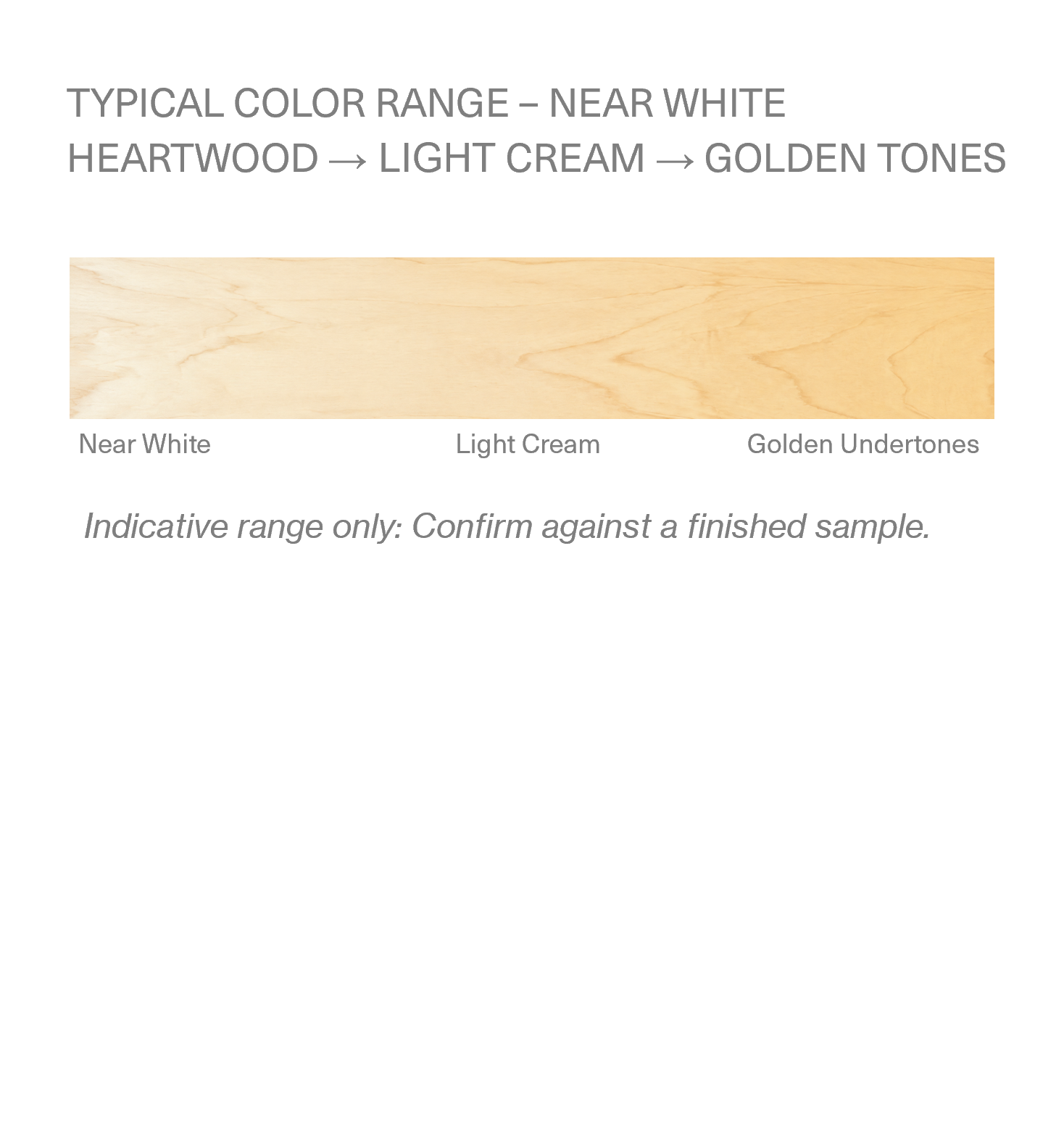
Fine and smooth, with grain that reads as pattern rather than texture
White birch has a fine, smooth texture with a tight, closed-pore surface. Plain-sliced faces introduce gentle cathedral arches alongside straight grain, producing a quiet, refined surface suitable for contemporary and minimalist spaces. The grain reads as subtle visual pattern rather than physical texture.
Adjacent leaves are mirrored in book matching. Where grain direction or subtle color differs between leaves, a gentle barber-pole effect may appear as an inherent characteristic of the match rather than a defect.
⚠ SPECIFICATION NOTE | STAIN ABSORPTION
White birch’s closed-pore structure can absorb stain unevenly. Grain density differences can cause blotching or patchy absorption, especially with medium-to-dark stains. Evaluate all stains on a finished 8"x10" sample on white birch—not a 2"x4" sample.
For an expressive appearance with pronounced contrast between light sapwood and darker red-brown heartwood, see the Natural Birch Spec Brief. White birch is the sapwood-only specification; natural birch includes both sapwood and heartwood.
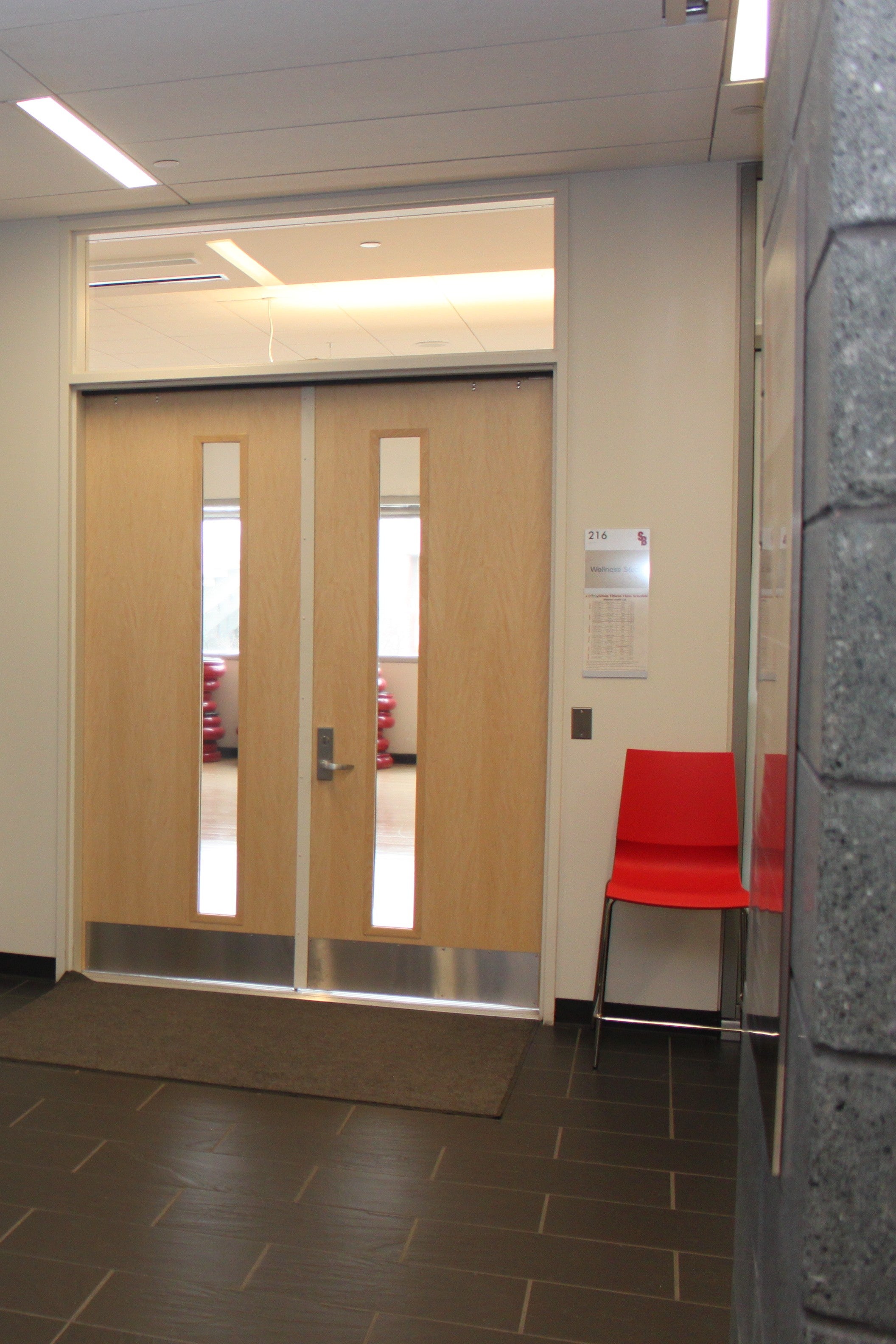
Default standard for contemporary and transitional interiors. Combines gentle cathedral arches with straighter grain in a light, refined character.
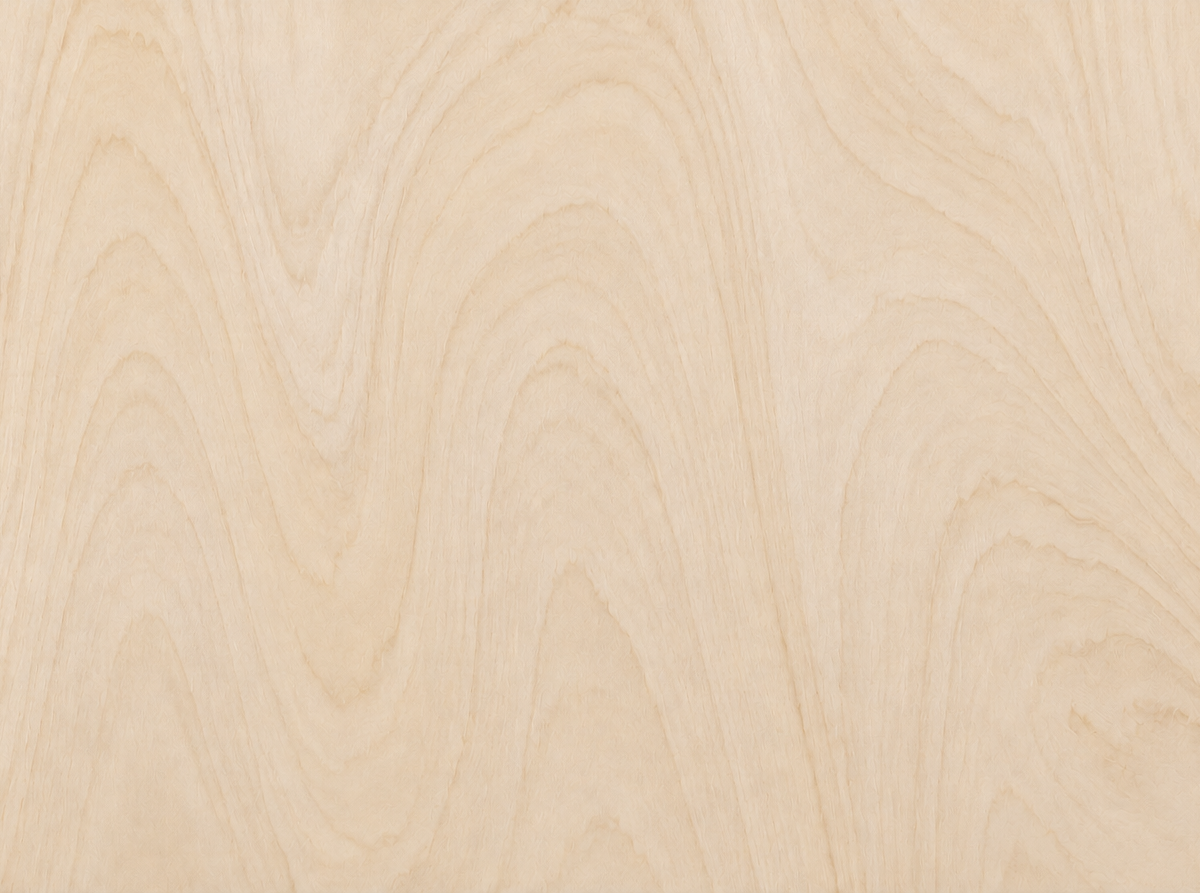
Specified where wider leaves simplify fabrication or active pattern is acceptable. Expect more grain and color variation than plain sliced.
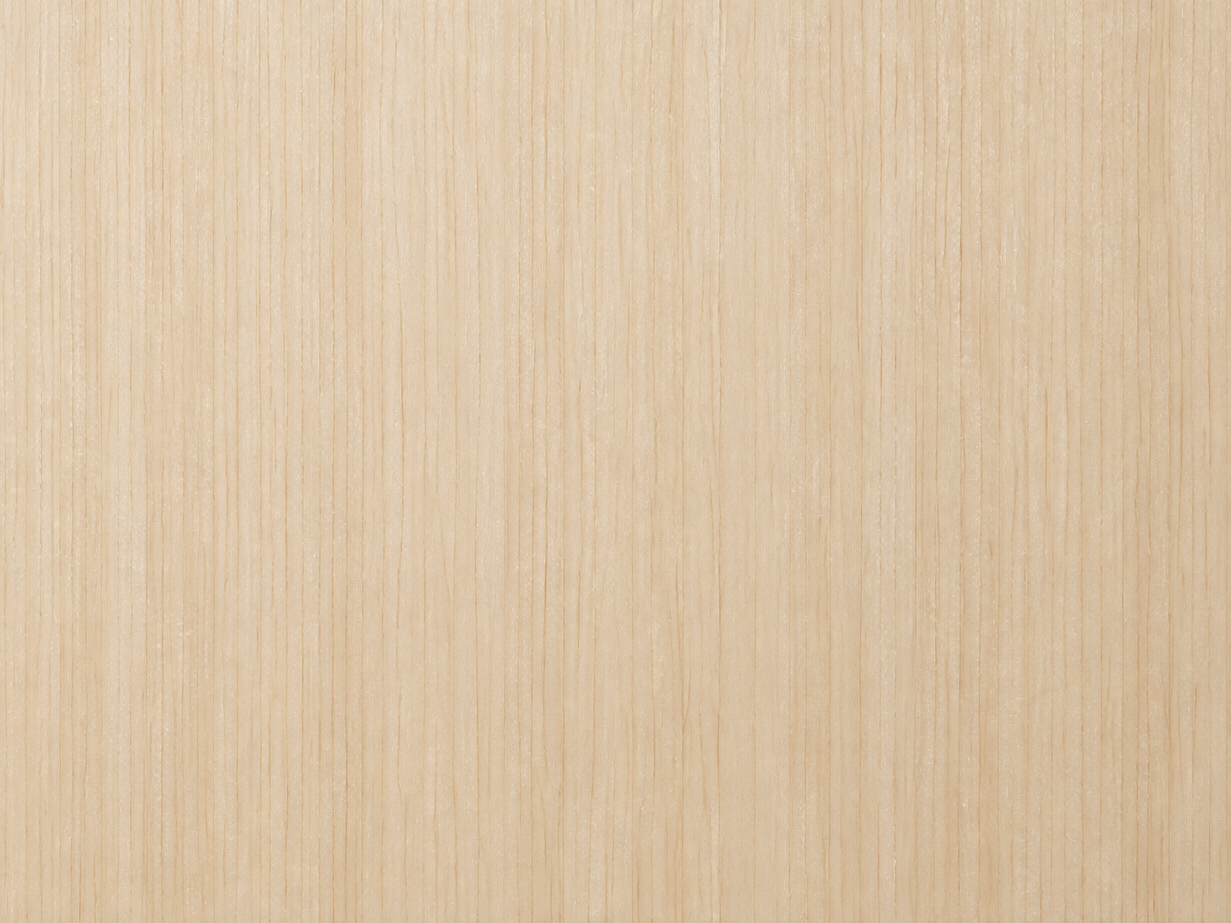
Available on request for the straightest, quietest grain and maximum uniformity. Confirm availability with the manufacturer early during design.
These are inherent to the species. Their acceptance is governed by the applicable WDMA face-grade table together with the project's approved visual standard.
CHARACTERISTIC | APPEARANCE | GRADE CONSIDERATION |
|---|---|---|
Color Variation | Slight tonal shifts within a face and from door to door | Allowable by grade; define acceptable color range explicitly |
Color Streaks | Subtle linear tone variations along grain | Allowable by grade; may be more visible with clear or light finishes |
Mineral Streaks | Faint darker lines or marks in the grain | Allowable by grade; confirm acceptable frequency in specification |
Worm Tracks | Fine, wavy dark lines | Allowable by grade; may be limited at AA grade |
Figure | Irregular grain movement in occasional leaves | Not grade-controlled; can contribute to blotching with stain |
Cross Bars | Faint horizontal bands crossing grain direction | Natural characteristic; cannot be fully eliminated |
Barber-Pole Effect | Alternating light/dark leaves in book match | Natural result of book matching; more subtle than in natural birch |
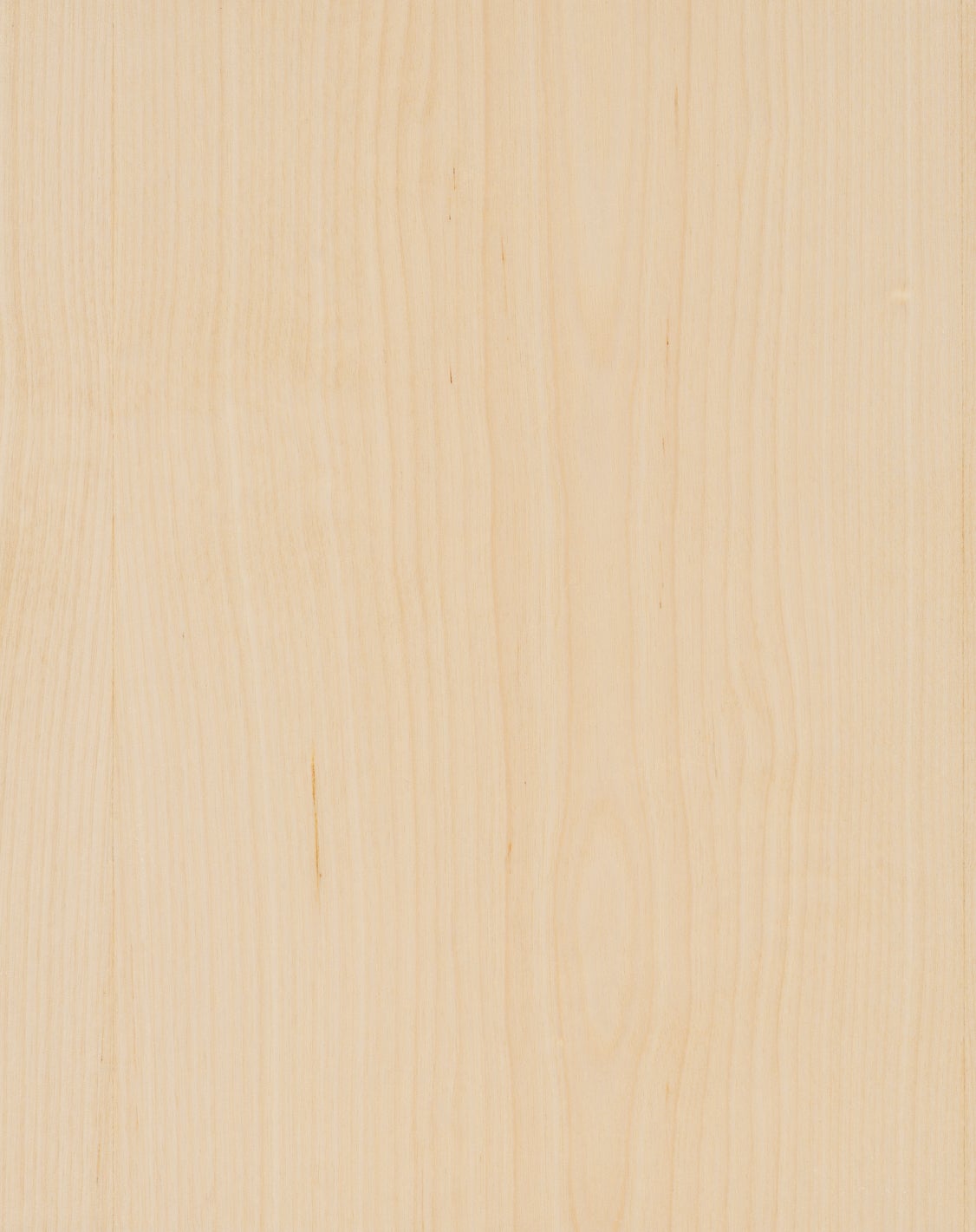
Lowest risk. Preserves white birch’s natural light tone and reveals grain and natural markings clearly, with the lowest blotching risk.
Lowest risk – Most consistent direction.
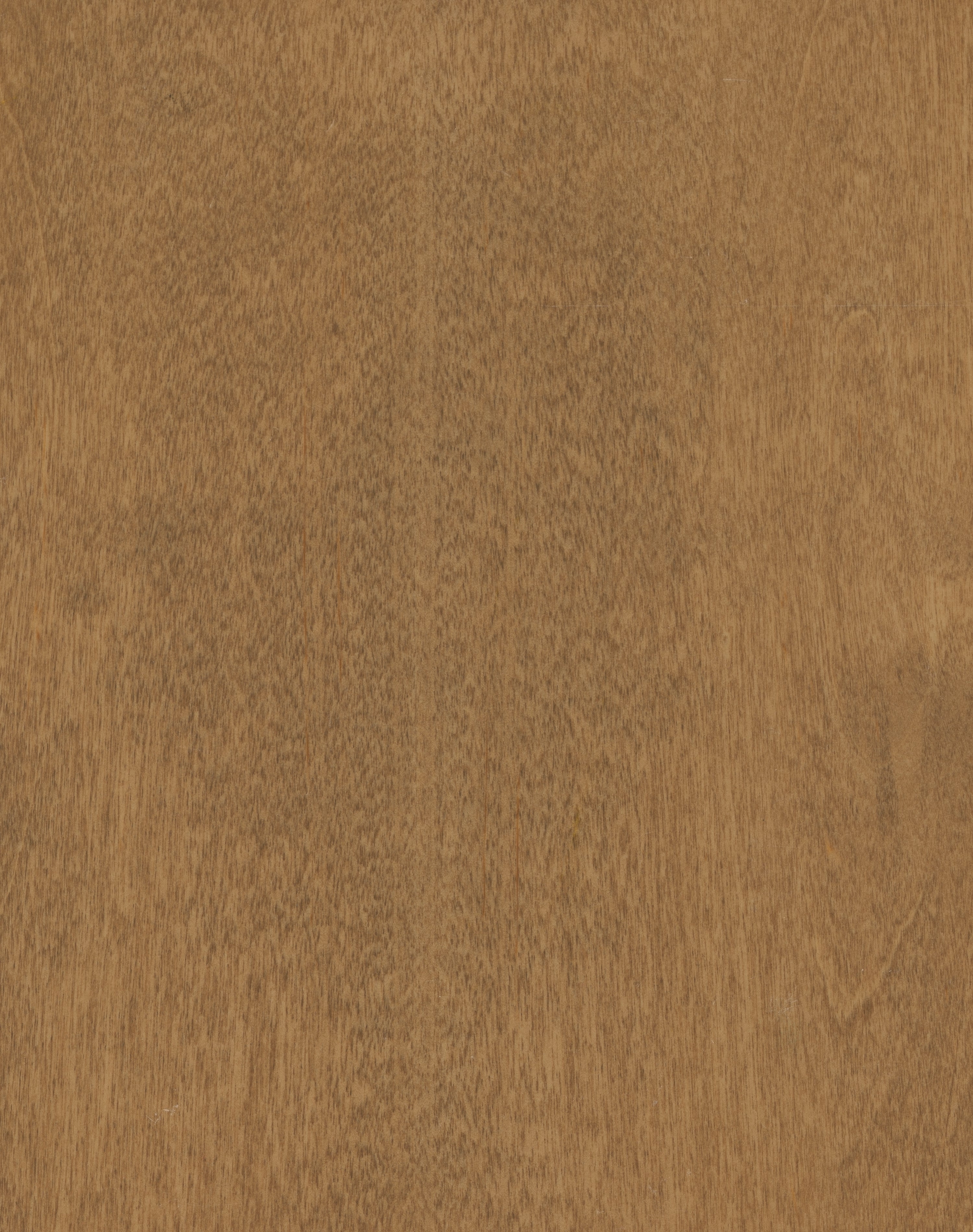
Can reduce visible contrast but carries higher blotching risk. Approve on a finished full-size white birch sample.
Modest control – Sample approval required.
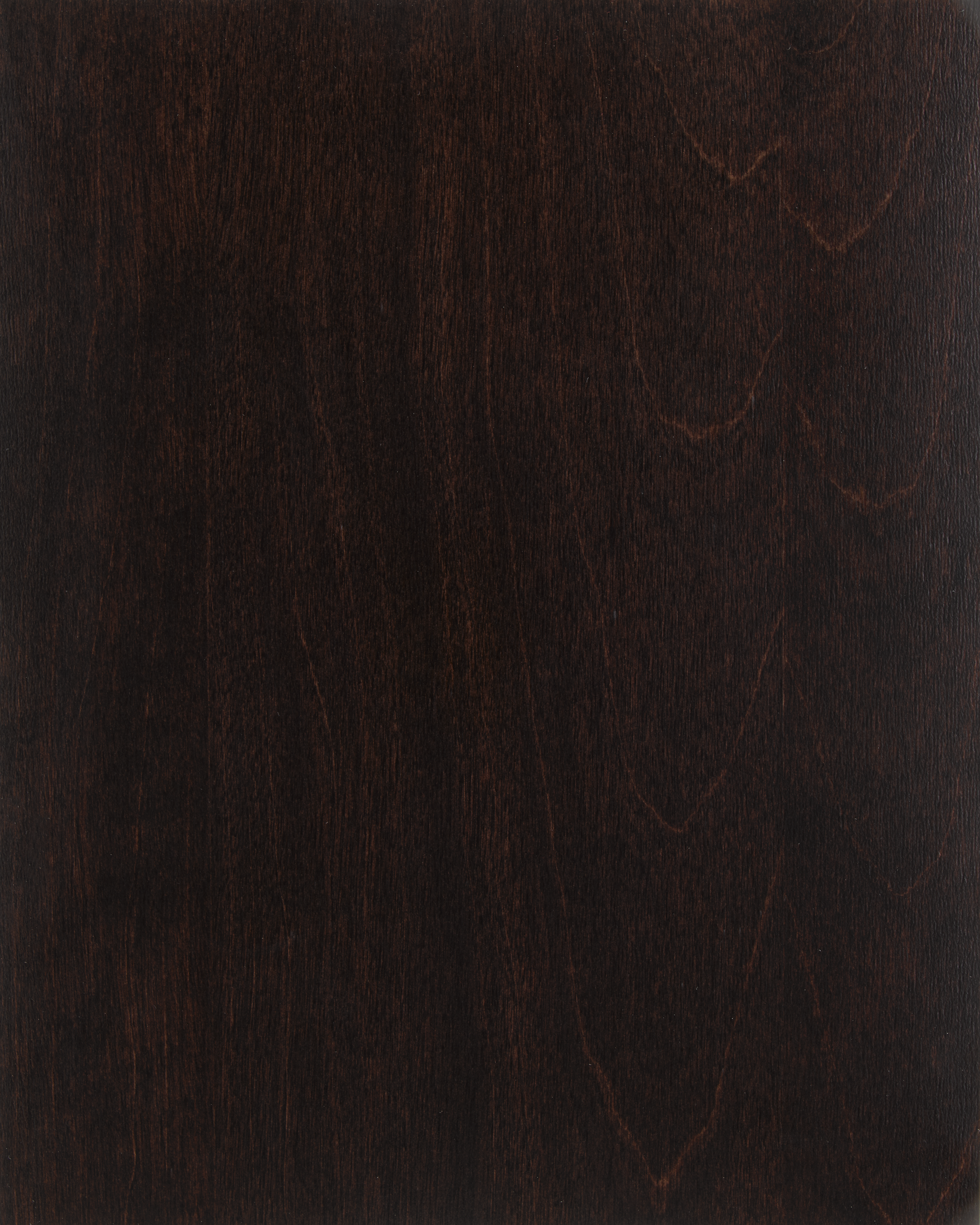
Highest blotching risk, and it masks natural character. Validate thoroughly with a species-specific sample before specifying.
Highest blotching risk – Validate before specifying.
01
Even sapwood-only white birch exhibits natural tonal shifts, slight grain variation, and grade-permissible characteristics. The expectation that “white birch” means a uniform, synthetic-like surface is the most common cause of post-fabrication disputes. Small 2"×4" samples cannot capture the variation present across a full-size door face or door group.
Recommended response
Define acceptable color range and natural characteristics explicitly in project specifications. Review a finished, 8"x10" sample under representative project lighting before finalizing for visually sensitive applications.
02
White birch's closed-pore structure responds well to factory finishing schedules. Clear and light stains are the most consistent direction and the most common choice for this species. Medium and dark stains shift the pale character of the wood significantly and should be confirmed on an 8"x10" white birch sample before production.
Recommended response
Evaluate medium and dark stain directions on a finished full-size white birch sample—not a small chip or a sample on another species. Confirm appearance under actual project lighting and document approved standards before production.
03
Because white birch has a light, neutral base, stain color has a particularly strong visual influence. The same stain formula will look substantially different on white birch than on a stain chip, on a darker reference species, or even on natural birch.
Recommended response
Request a species-specific 8"x10" finish sample on white birch rather than relying on a generic stain chip. Review standard colors on white birch and approve under actual project lighting conditions before specifying.