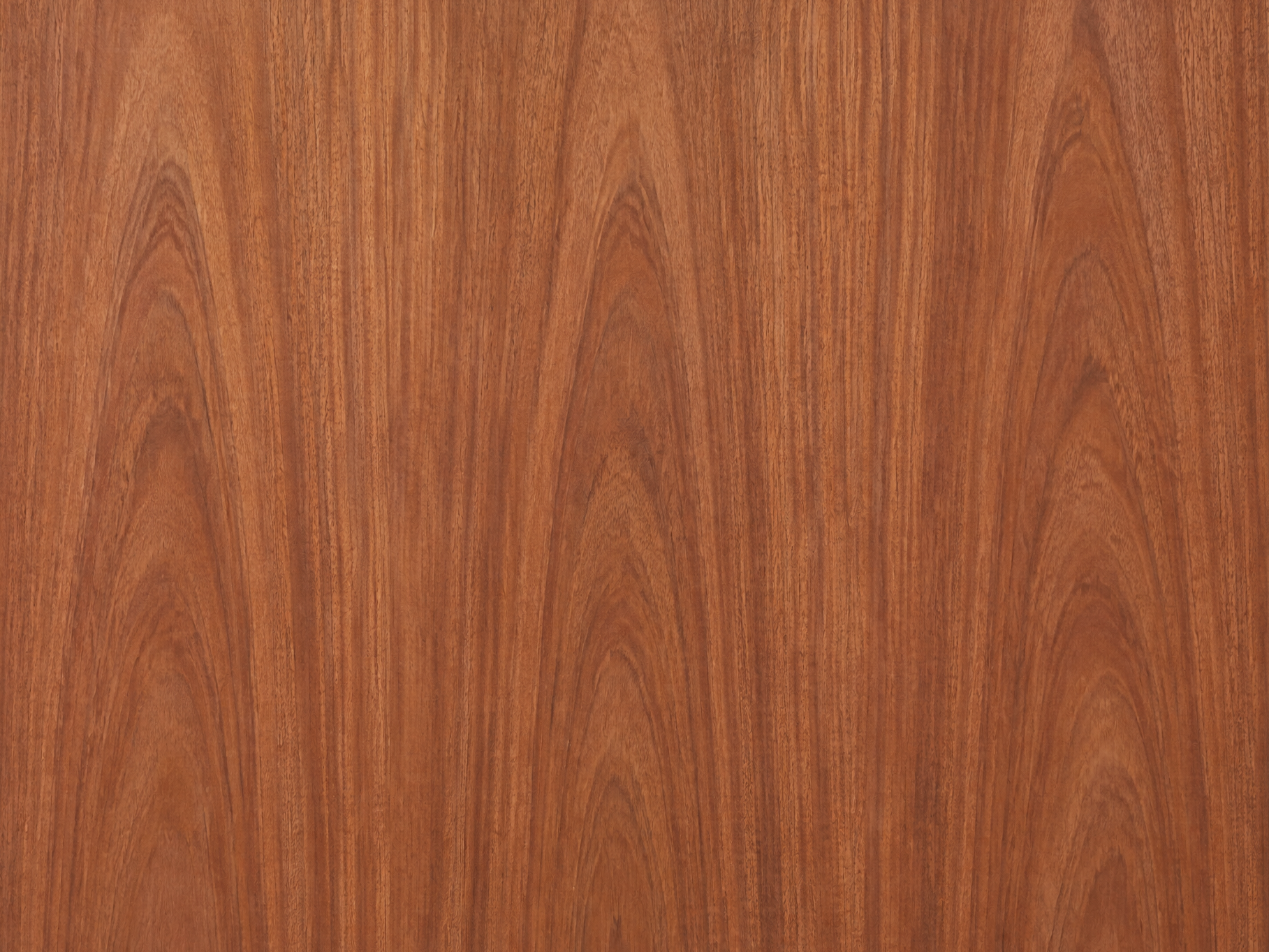
Flat Cut (Default)
Default standard for traditional, formal, luxury, and hospitality interiors. Cathedral and straighter grain with a warm, open texture and gentle figure.
Wood Veneer | Species Overview
African mahogany offers a warm, substantial wood character with open grain and attractive figure potential — specified for traditional, formal, and richly detailed architectural interiors.

African mahogany has a warm pinkish-brown heartwood that deepens toward a richer red-brown as it is exposed to light. It provides a classic, warm, and substantial wood character suited to traditional, formal, luxury, and richly detailed architectural interiors. Its medium-to-coarse texture and generally straight grain offer attractive figure potential. The open grain accepts stains and topcoats well, making mahogany adaptable to a range of warm and deeper finish directions.
Default cut
Default match
Pore structure
Relative cost
Texture | Medium-to-coarse, open grain |
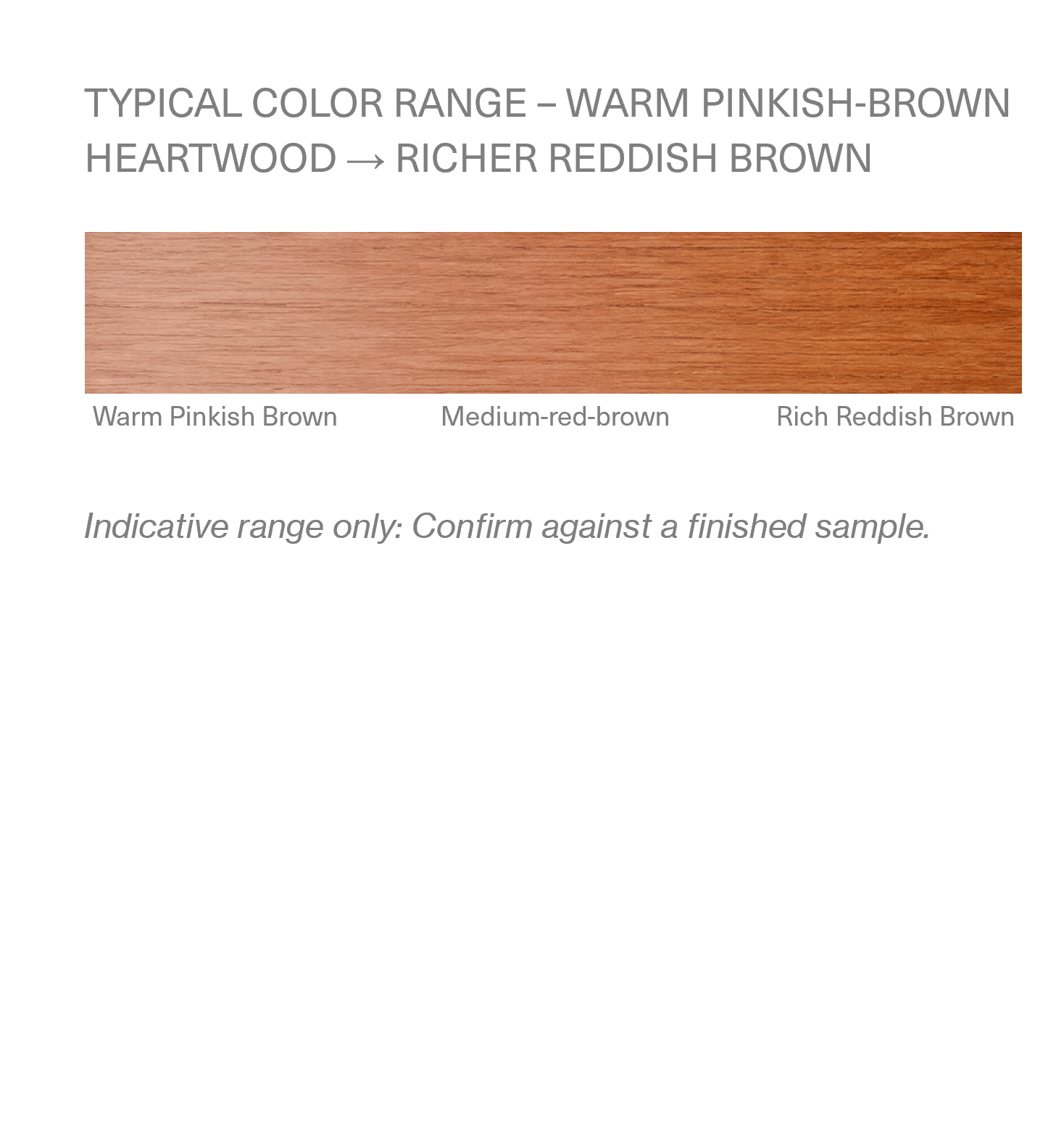
Color range | Warm pinkish-brown to richer red-brown |
Cuts available | Flat Cut (default), Rotary, Quarter Sliced |
Relative cost | Moderate range |
Watch for | Color deepening over time, open pores, CITES sourcing |
Pinkish-brown heartwood that deepens with light
African mahogany ranges from warm pinkish-brown to medium reddish-brown, with a richness and depth that deepens over time through oxidation and light exposure. The heartwood provides the primary color range, with natural variation in shade and undertone between leaves and flitches.
⚠ SPECIFICATION NOTE
Mahogany’s color continues to deepen through oxidation and light exposure. Initial samples may not reflect the long-term installed color. Consider this aging behavior when selecting a finish direction and setting client expectations.
Medium-to-coarse and open, with ribbon figure in quarter-sliced cuts
African mahogany has a medium-to-coarse texture and a generally straight grain, though interlocked grain can produce a ribbon-striped figure in quarter-sliced material. Flat-cut faces introduce cathedral movement and visible warm grain. The open pore structure is a defining characteristic and will remain visible through most finish systems.
Where grain includes interlocked patterns, a ribbon-stripe or ribbon figure may appear—particularly in quarter-sliced material. This is a natural and often desirable characteristic of the species.
⚠ SPECIFICATION NOTE | STAIN ABSORPTION
Open pores accept stain readily but create visible pore contrast in the finished surface. Clear or lightly toned stains best preserve depth and figure. Verify that medium-to-dark stains do not over-darken pores or flatten the grain appearance before approving.
For a darker, closed-pore alternative with a more contemporary character, see the Walnut Spec Brief. For a warm, traditional open-grain appearance, African mahogany is the specification of choice.
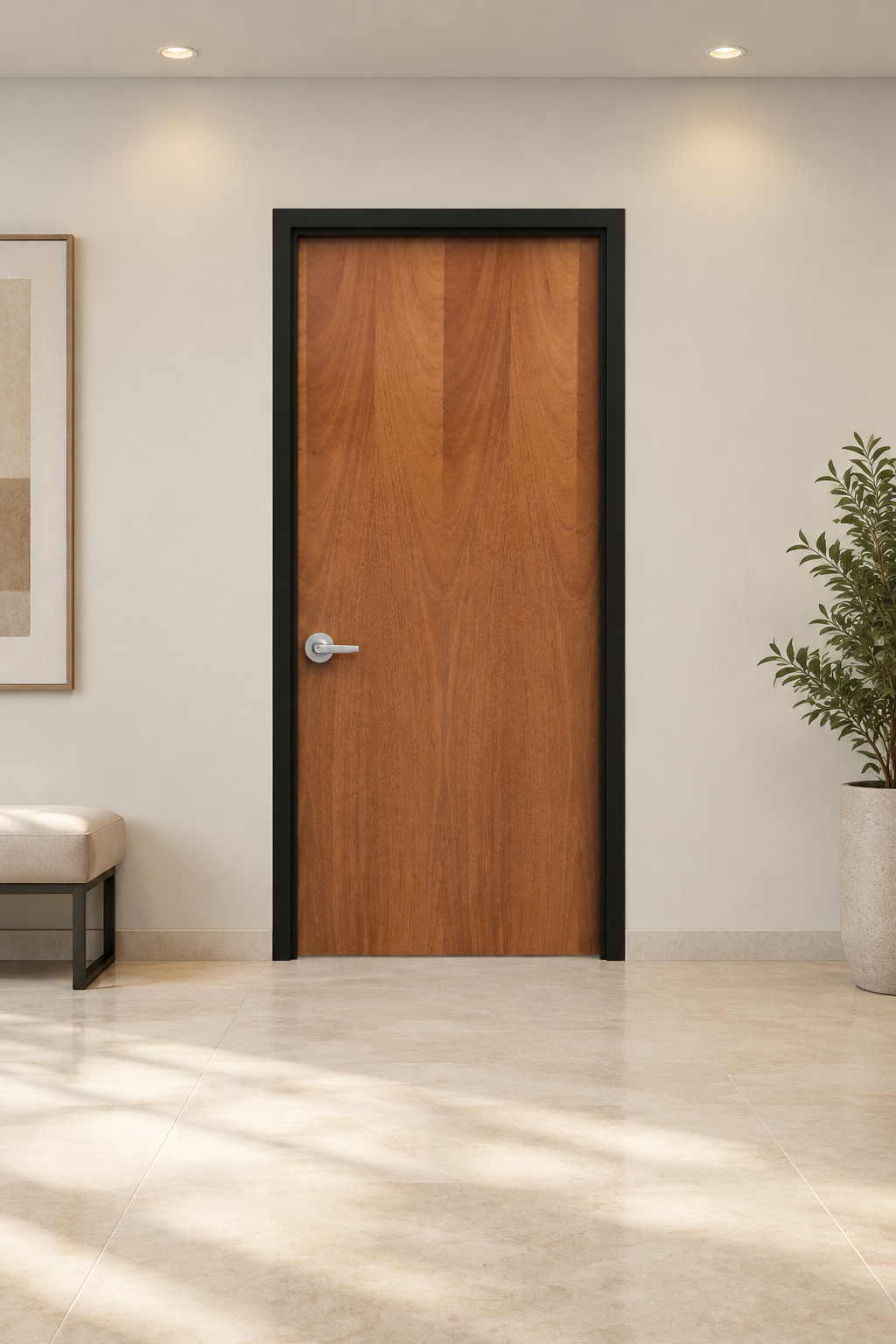
Default standard for traditional, formal, luxury, and hospitality interiors. Cathedral and straighter grain with a warm, open texture and gentle figure.
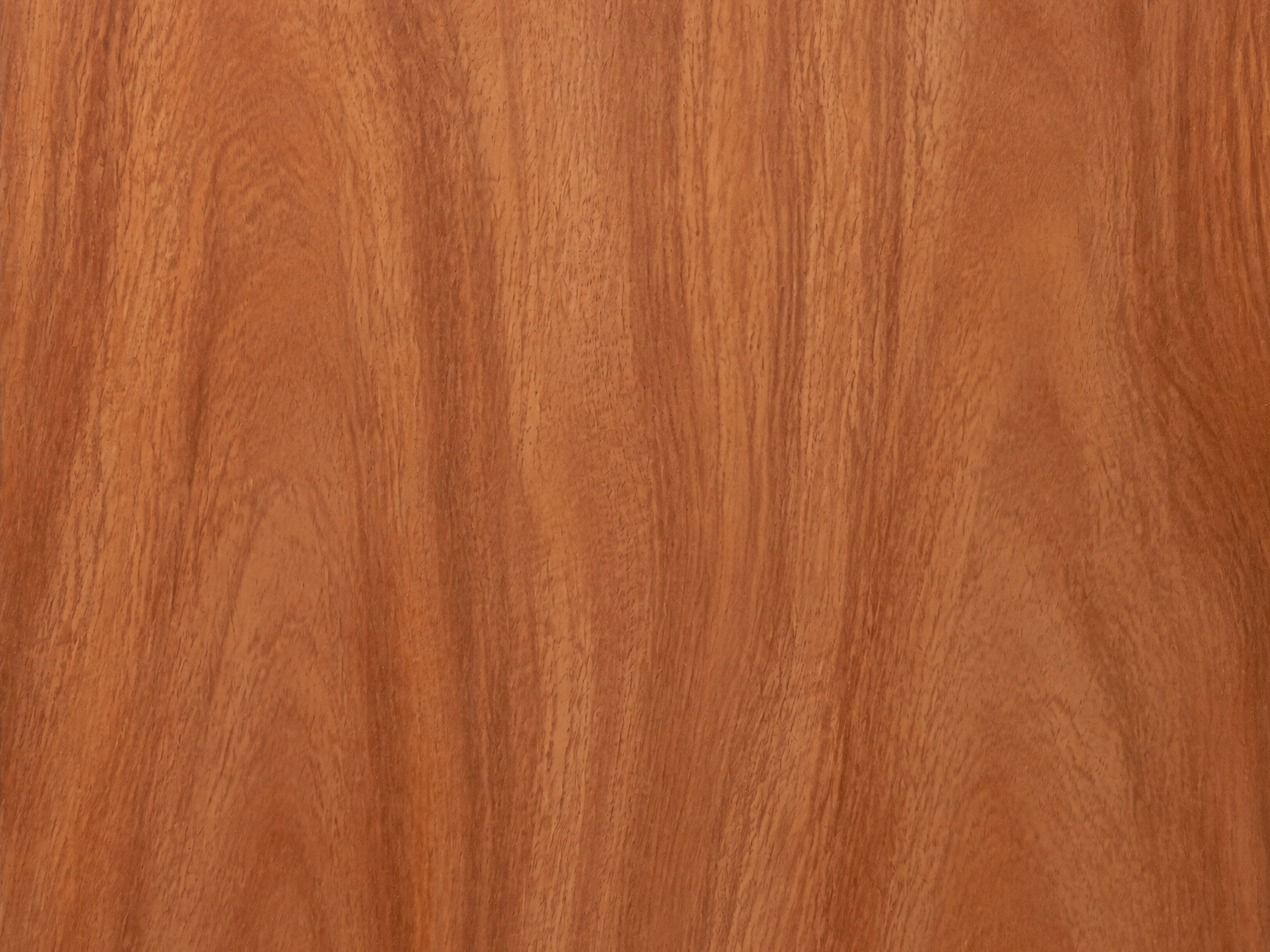
Cost-effective option with broad, flowing grain and open texture retained. Expect more grain variation; confirm availability.
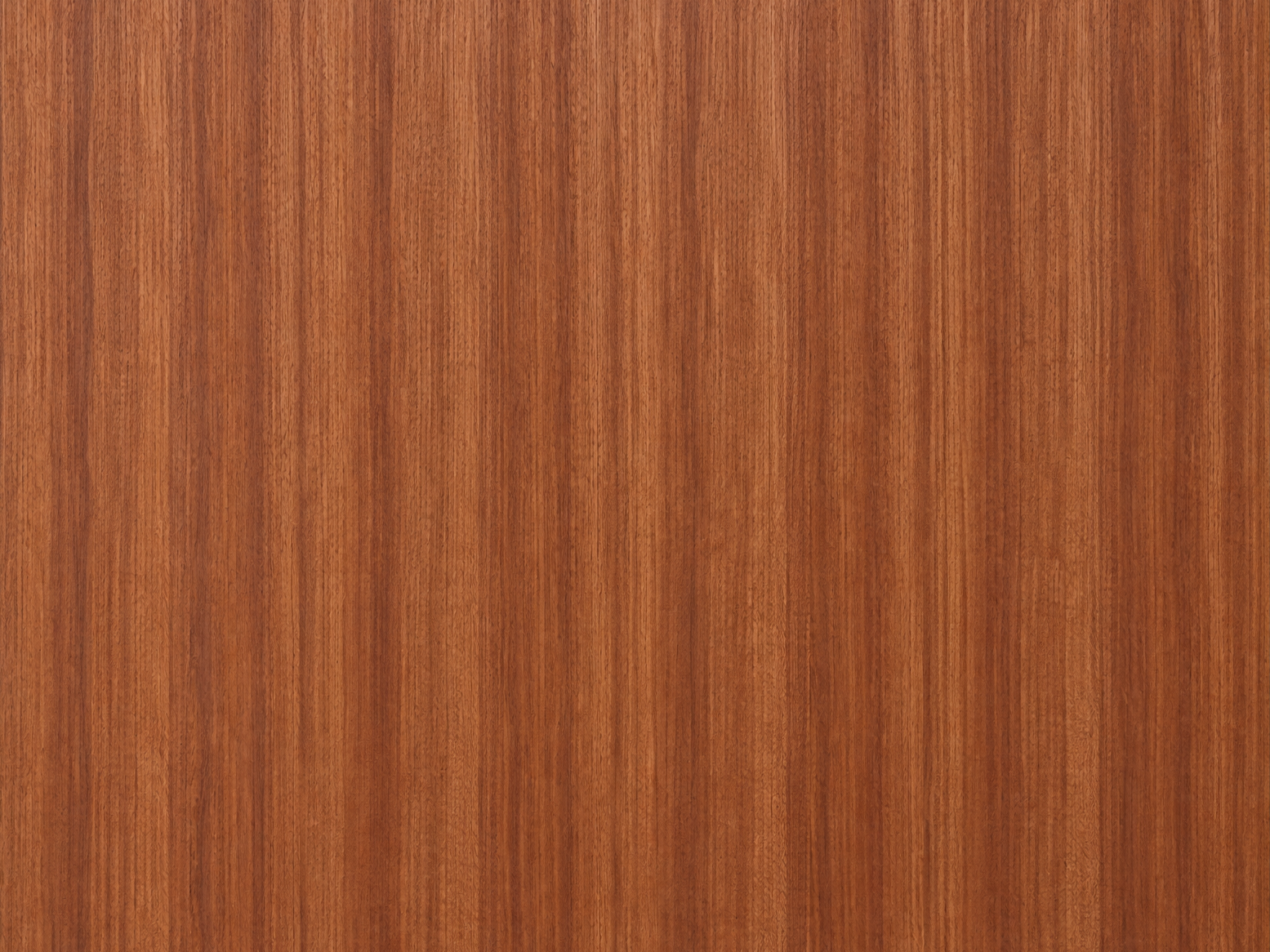
Straighter, striped grain with ribbon figure that is more pronounced where grain is interlocked. Ribbon figure is not guaranteed; confirm with the manufacturer.
These are inherent to the species. Their acceptance is governed by the applicable WDMA face-grade table together with the project's approved visual standard.
CHARACTERISTIC | APPEARANCE | GRADE CONSIDERATION |
|---|---|---|
Color Variation | Natural range from light pink-brown to deeper red brown areas | Allowable by grade; define acceptable color range explicitly |
Color Streaks | Linear or irregular color changes in the grain direction | Allowable by grade |
Mineral Streaks | Darker marks from natural mineral uptake | Allowable by grade; may be more visible with clear or light finishes |
Figure | Irregular grain movement or ribbon figure from interlocked grain | Not grade-controlled; can be a valued design feature |
Gum Pockets | Small pockets of accumulated natural resin | Allowable by grade; limited at AA; may be visible with clear finish |
Cross Bars | Faint horizontal bands crossing grain direction | Natural; cannot be fully eliminated |
Barber-Pole Effect | Alternating light/dark leaves in book match | Result of book matching; not a fabrication defect |
Small Burls/Pin Knots | Small circular or localized grain features | Allowable by grade; limited at AA |
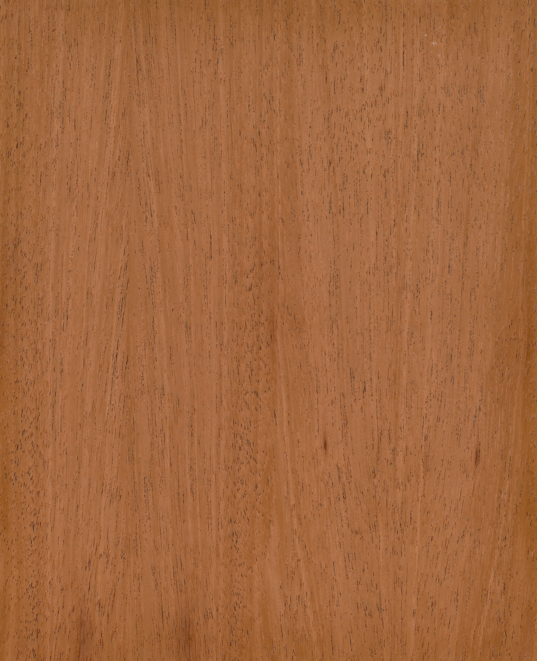
Best preserves depth, figure, and natural warm color, with open pores and grain fully visible. Lowest risk when the intent is to retain mahogany’s rich warmth.
Lowest risk – Preserves depth and warmth.
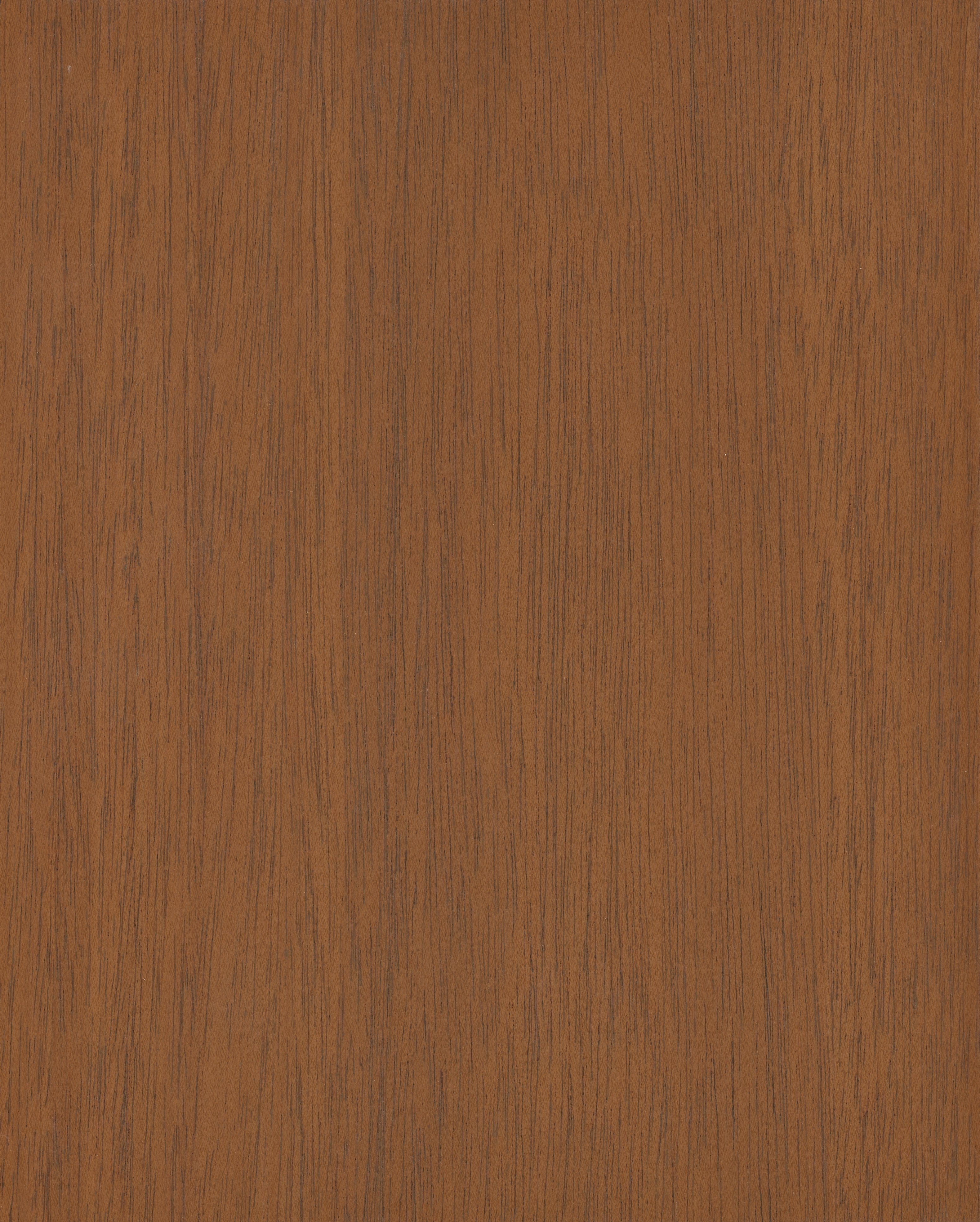
Open pores accept stain readily but may show pore contrast. Can help minimize color variation between leaves.
Modest control – Sample approval required.
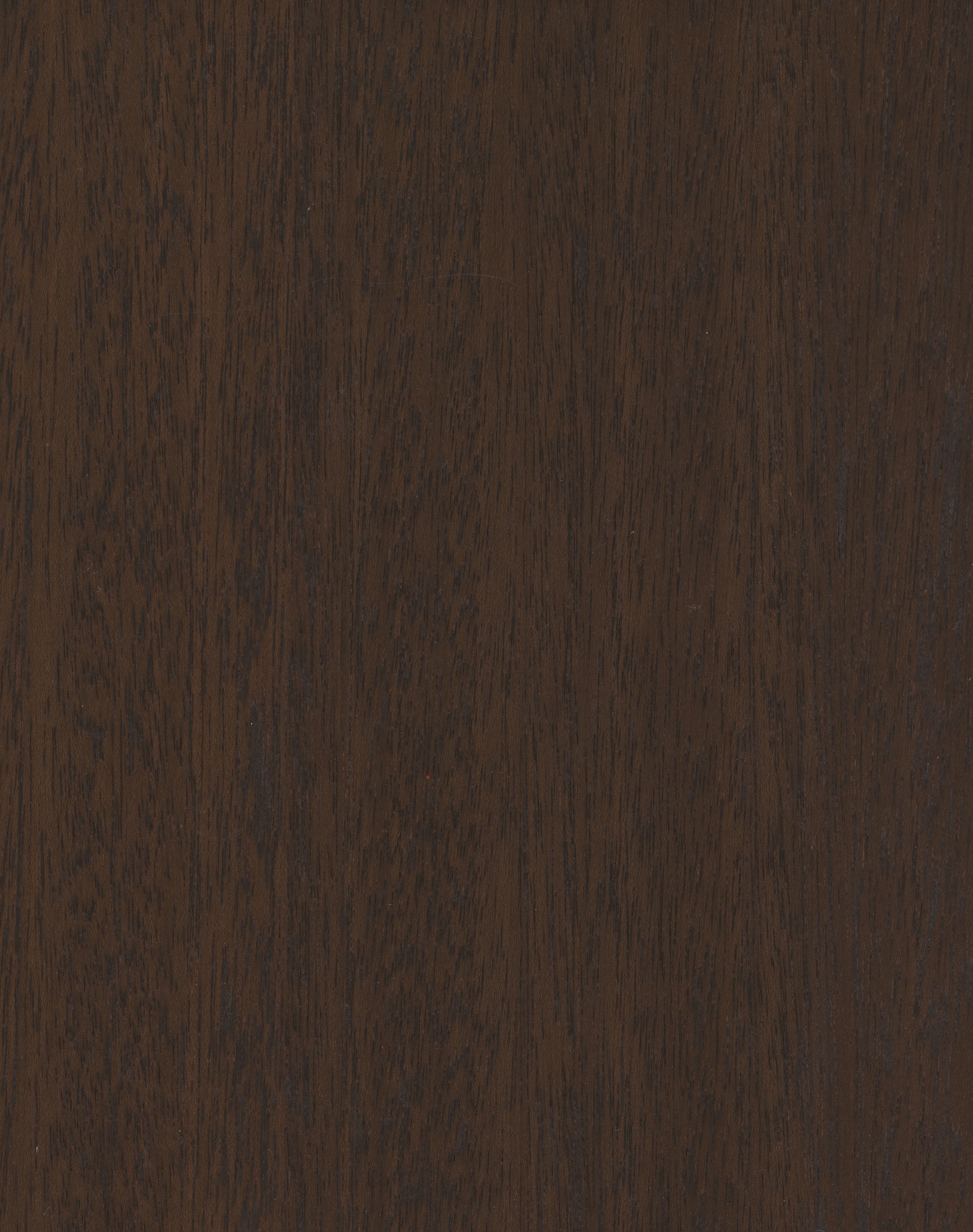
Can be used, but may over-darken pores or flatten the grain appearance. Recommended only where a deliberate deep tone is the design intent.
Use with care – Validate on a finished sample.
01
African mahogany's pinkish-brown heartwood deepens toward a richer red-brown through sustained exposure to light and air. Uneven light exposure—such as differences between well-lit corridor doors and interior office doors—can produce visible color differences within the same installation over time.
Recommended response
Discuss expected color aging with the client before finalizing finish selection. Document anticipated color development in the project specification and obtain owner acknowledgment. For installations with mixed sun exposures, evaluate whether a medium stain may provide a more stable long-term color base.
02
Mahogany’s medium-to-coarse, open-pore texture is part of the species’ character and will remain visible through most finish systems. Specifiers expecting a smooth, quiet, fine-grained surface may find the open pore structure inconsistent with their design intent. Evaluate a finished sample before specifying.
Recommended response
Review a finished sample showing the open pore texture alongside the intended finish before specifying. If a fine, smooth surface is the priority, evaluate whether white maple, natural maple, cherry, or walnut may be better suited to the application and design intent.
03
African mahogany (Khaya spp.) is listed on CITES Appendix II. Depending on the project’s country of origin and procurement requirements, additional sourcing verification and import documentation may be required to confirm legal, responsible-chain-of-custody sourcing.
Recommended response
Confirm sourcing documentation requirements early in the procurement process. Verify that the supplier holds valid chain-of-custody documentation for Khaya. For projects with LEED, WELL, or similar environmental certification requirements, confirm compliance with project-specific responsible-sourcing criteria before specifying.